How Activist Streetwear Became the Uniform of Protest
@60p4lyes2r
October 7, 2026 · 7 min read
From Underground Zines to the Front Lines
I remember the first time I saw a shirt that wasn't just a shirt. It was a hot summer afternoon in the late 1990s, and a friend handed me a faded black tee with a bold graphic that looked like it had been ripped from a political cartoon. The message was simple, but the feeling was electric. That shirt was a declaration. It said, without a word, that the person wearing it was paying attention. That was my introduction to what we now call activist streetwear, a blend of fashion and conviction that has grown from a niche subculture into a global force for change.
Back then, the line between street art and activism was already blurring. Artists like Shepard Fairey were pasting stickers and wheat-paste posters on city walls, and his Obey Clothing line soon followed, turning his iconic Andre the Giant image into wearable protest. Fairey understood something crucial: a T-shirt is a mobile billboard. It can start a conversation, provoke a reaction, or simply let someone know they are not alone in their beliefs. That idea has only become more powerful in the decades since, especially as movements like Black Lives Matter have shown how quickly a visual message can spread across a crowd.
The Craft Behind the Message
What separates a cheap slogan tee from something that actually resonates? In my experience, it comes down to craft. The best activist streetwear feels intentional. The design is sharp, the typography is readable, and the construction holds up after a dozen washes. Screen printing, the old-school method used by punk bands and zine culture pioneers, remains the gold standard. It is durable, vibrant, and honest. When you see a shirt that was screen printed by hand, you can feel the effort in every line.
That craft matters because protest tees are not just fashion. They are tools. People wear them to marches, to city council meetings, to the grocery store. A well-made shirt can start a dialogue with a stranger. I have seen it happen. A woman in a coffee shop saw my friend’s shirt, which featured a satirical take on a political figure, and started a conversation that lasted an hour. That is the power of a design that is both funny and pointed. It opens a door that a lecture never could.
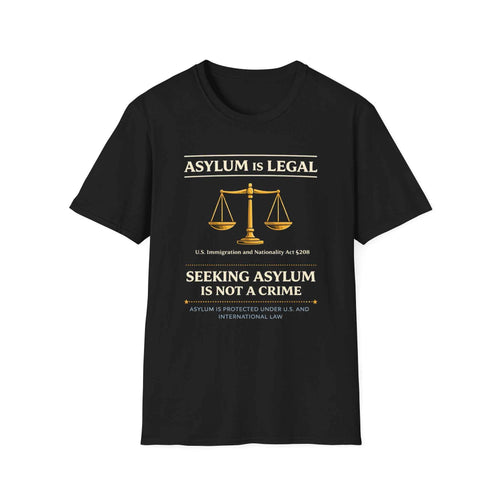
Brands like Patagonia and Vans have also leaned into this space, but their approach is different. Patagonia, for example, puts much of its energy into environmental advocacy and donates a percentage of sales to grassroots groups. Their clothing is built for the outdoors, but the message is woven into the brand identity. Vans, with its roots in skate and punk culture, has long supported creative rebellion. But the most authentic activist streetwear usually comes from smaller operations, the kind you find on Etsy or through local print shops, where the people behind the designs are as committed as the people wearing them.
Satire as a Weapon
One of the most effective strategies in activist fashion is satire. A well-crafted joke can cut through defensiveness faster than any argument. The Yes Men, a group of culture jammers, have spent years pulling off elaborate pranks that expose corporate hypocrisy. Their approach is playful but pointed, and it has inspired a wave of satirical T-shirts that mock everything from corporate logos to political slogans. When you see a shirt that remixes a famous brand into a critical statement, you are seeing the influence of that tradition.
Satire is also central to the work of the Guerrilla Girls, the anonymous collective of feminist artists who have been calling out institutional sexism and racism since the 1980s. Their posters and public appearances are direct, confrontational, and often funny. While they are not a clothing brand, their ethos has shaped a generation of designers who understand that laughter can be a form of civil disobedience. A shirt that makes someone smile and think at the same time is a shirt that works.
From Protest to Wardrobe Staple
There is a tension in activist streetwear that I think is worth naming. When a protest tee becomes popular, it risks being co-opted by the very system it criticizes. I have seen this happen with the Black Lives Matter movement. After the 2020 uprisings, countless brands rushed to release their own solidarity shirts, many of them made in factories with questionable labor practices. The result was a wave of performative support that did little to address the underlying issues. The lesson is clear: the ethics of the garment matter as much as the message on the front.
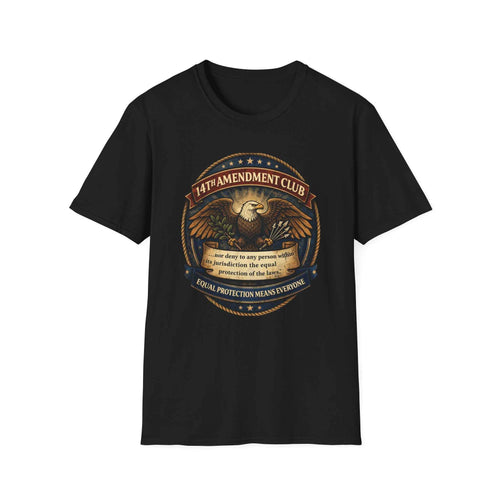
That is why I have always been drawn to designers and brands that are transparent about their production. Small operations that use local screen printers, pay fair wages, and donate a portion of profits to related causes feel more trustworthy. They are not just trying to sell a product; they are building a community. This is where sites like Rise and Revolt come into the picture, offering apparel that is unapologetically political and made with care. The best activist streetwear is not a commodity. It is a statement of solidarity.
Books That Shaped the Movement
If you want to understand the intellectual roots of this subculture, there are a few texts that stand out. Naomi Klein’s No Logo, published in 1999, was a landmark critique of corporate branding and consumer culture. It helped a generation see the connection between the clothes they wore and the systems that produced them. More recently, the comic strip anthology from Andrews McMeel and the work of independent publishers like Free Press have kept the tradition of political cartoon and satire alive in print. These books are not just for reading; they are for sharing, the same way a good T-shirt is for wearing.
Zine culture also deserves a mention. Before the internet, zines were the primary way that activists, punks, and artists distributed their ideas. They were cheap, photocopied, and passed from hand to hand. That DIY spirit is still alive in the screen printing studios and small-batch clothing lines that define the best activist streetwear today. It is a reminder that you do not need a big budget to make a big statement.
What to Look For
If you are new to this world, or if you want to be more intentional about the clothes you buy, here are a few things to consider:
- Look for designs that are specific. A vague message like “Resist” can mean anything. A shirt that names a policy, a person, or a movement is harder to ignore.
- Check the production. Who made the shirt? Are they paid fairly? Is the printing local? The ethics of the process should match the ethics of the message.
- Think about longevity. A good protest tee should last. Fast fashion pieces that fall apart after a few washes waste resources and dilute the message.
- Consider the design. Is it clear from across the street? Can you read the text at a glance? Good graphic design is not just aesthetic; it is functional.
These are not hard rules, but they have served me well over the years. I have a drawer full of shirts that I have worn to protests, to rallies, and to casual dinners. Each one carries a memory. Each one started a conversation at some point. That is the real value of activist streetwear. It is not about following a trend. It is about showing up, literally and figuratively, for something you believe in.
The Future of the Movement
As political polarization continues to deepen, the role of visual messaging on clothing will only grow. Activists are getting smarter about how they design and distribute their work. Digital printing has made it easier than ever to produce small batches, which means niche messages can find their audience without a huge upfront investment. At the same time, the rise of platforms like Etsy has democratized access, allowing independent designers to compete with big brands.
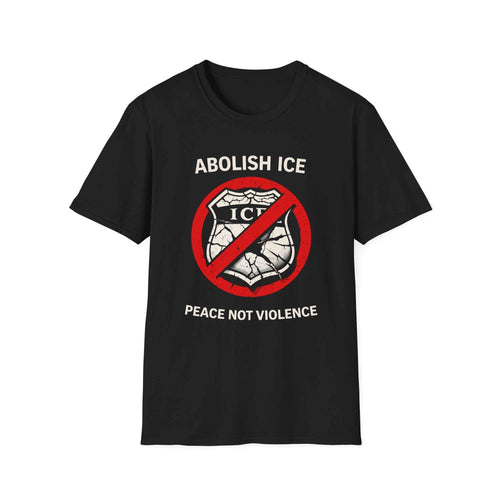
But the core of activist streetwear remains the same as it was when I first saw that faded black tee in the 1990s. It is about visibility. It is about saying, without apology, that you stand for something. Whether it is a satirical take on a corporate logo, a direct call for justice, or a simple phrase that captures a shared frustration, the shirt you choose to wear is a choice. And in a world that often feels overwhelming, that small act of choosing can be a powerful form of civil disobedience.
So the next time you put on a shirt with a message, think about what it says and where it came from. Think about the hands that printed it and the movement it represents. Because activist streetwear is not just clothing. It is a conversation, a commitment, and a quiet act of resistance that you wear on your sleeve.